The week before competition isn’t where great programs are built. It’s where preparation is revealed.
Here’s what high-performing coaches do months before the first meet.
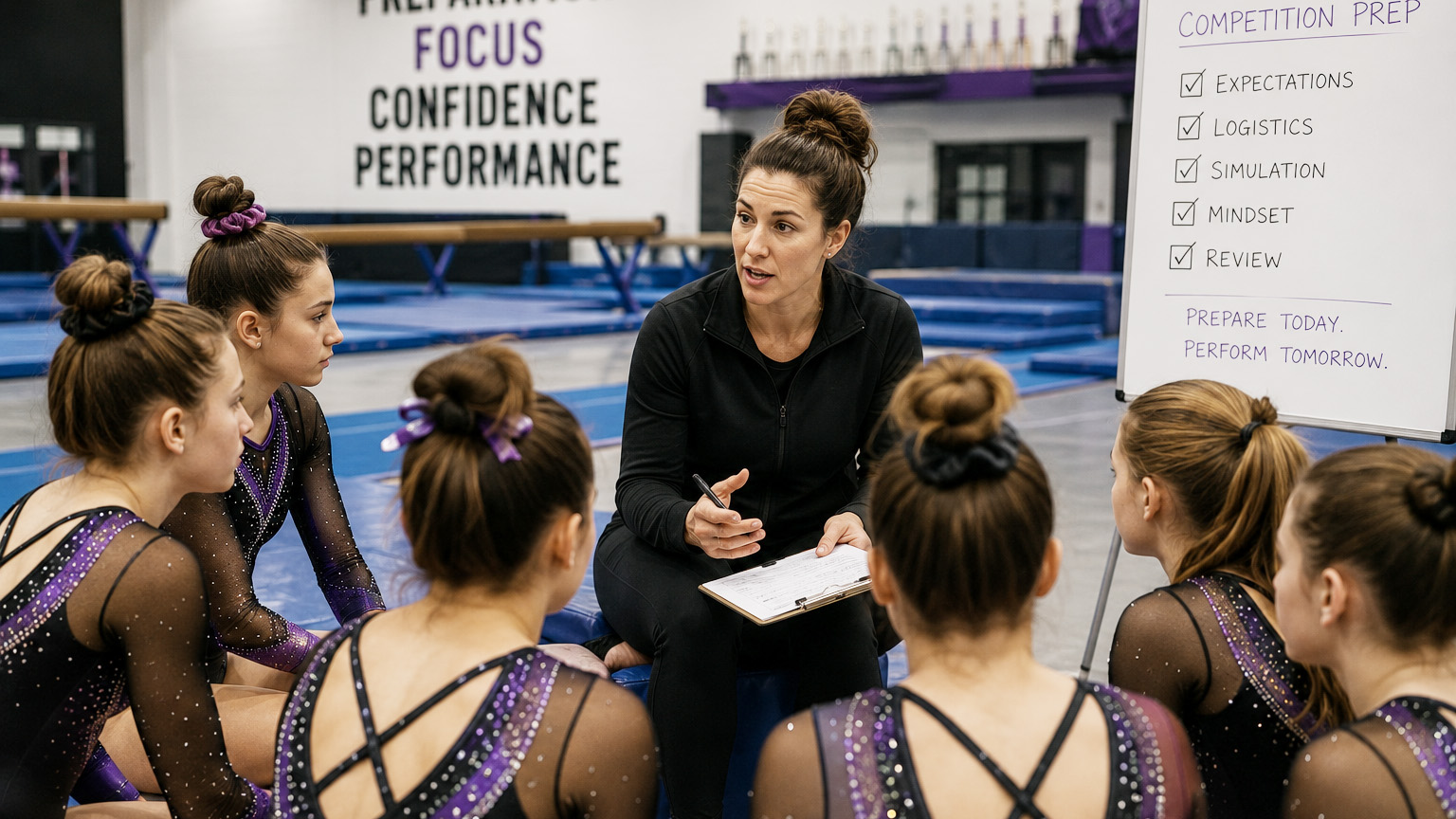
They Set Expectations Early and Repeat Them Often
Great coaches don’t surprise their athletes. They communicate expectations at the start of the season and reinforce them constantly:
-
What competition week looks like
-
What is expected in warm-ups, in behavior, in focus
-
What it means to represent your program
Repetition isn’t redundancy. It’s culture-building.
They Plan for the Logistics, Not Just the Skills
Skills training gets most of the attention. But the coaches who run stress-free competition seasons plan:
-
Uniform orders well in advance
-
Travel logistics with buffer time
-
Athlete check-in systems
-
Parent communication schedules
When logistics are handled, athletes can focus entirely on performance.
They also order custom gymnastics leotards months ahead, so sizing and samples never collide with the first meet.
They Simulate Competition Conditions
The best coaches train the full experience, not just the routines.
-
Full run-throughs in uniform
-
Performing in front of coaches and peers
-
Practicing pre-competition routines
The goal is to make competition feel familiar, not foreign.
They Protect Their Athletes’ Mental State
Pressure is part of the sport. But unnecessary pressure is a coaching choice.
Before competition season, the best coaches:
-
Reduce the noise
-
Increase the affirmation
-
Create calm in the environment, even when the stakes are high
Athletes perform best when they feel secure, not anxious.
They Review the Season Honestly
Before building toward competition, they look back:
-
What worked last season?
-
Where did we lose time?
-
What did athletes struggle with that wasn’t about skill?
The answers shape the entire next season’s approach.
Preparation isn’t a sprint before competition day. It’s a long game of consistent, intentional decisions. That’s what separates great programs from average ones.