Conflict Resolution Strategies Every Coach Should Know

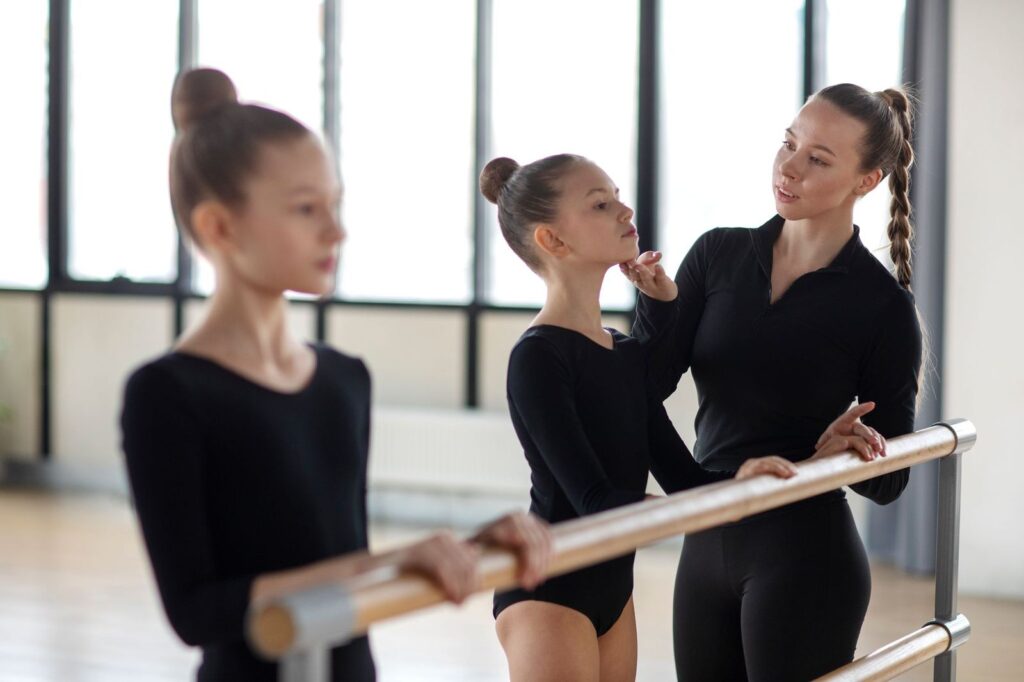
Conflict isn’t a sign that something is wrong. It’s a sign that people care. The key is knowing how to deal with it before it poisons your culture.

Address Issues Early

The longer conflict sits, the bigger it becomes. If something feels off:

  • Don’t ignore it

  • Don’t vent to other coaches

  • Don’t wait until it explodes

Have the conversation early, calmly, and privately.

Separate Feelings from Facts

When emotions are high, slow things down:

  • Ask each person to explain what they’re experiencing

  • Repeat back what you hear (this alone can defuse tension)

  • Focus on behavior and impact, not intent

Most conflicts soften once people feel heard.

Parent-Coach Conflicts

Clear expectations prevent most parent issues:

  • Share communication guidelines at the start of the season

  • Set boundaries for game-day conversations

  • Encourage scheduled check-ins instead of sideline debates

When issues arise, stick to facts, remain calm, and remember, parents usually want what they think is best for their child.

Model What You Want to See

Athletes watch how coaches handle stress. When you:

  • Stay respectful

  • Own mistakes

  • Apologize when needed

You teach conflict resolution without saying a word.

Do uniforms need to be plain and boring?

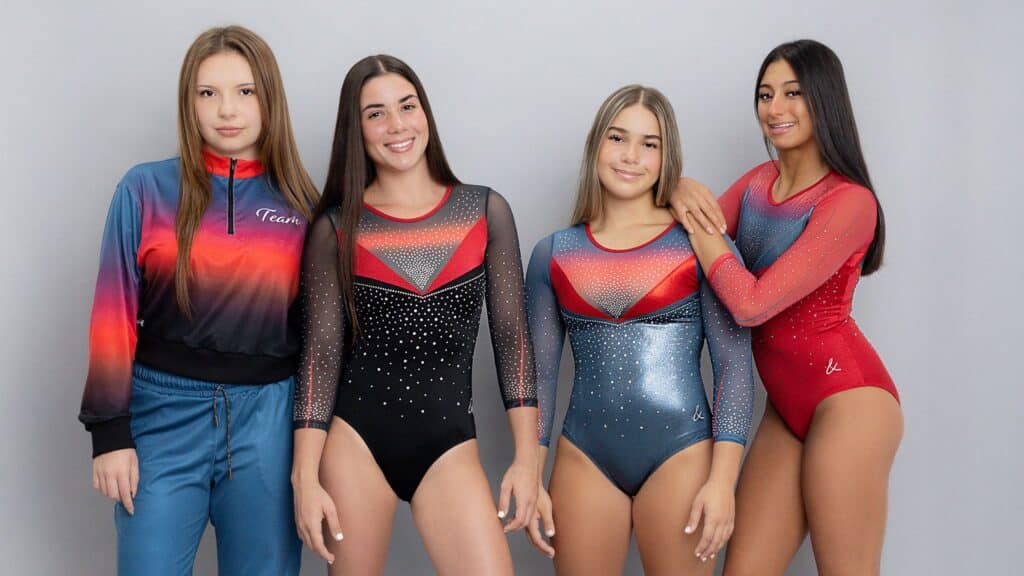
Sports uniforms have always been about function first. They identify teams, withstand wear and tear, and keep athletes comfortable. But function does not have to mean boring. Uniforms can be fun, creative, and full of personality.
Take Naomi Osaka for example. When she stepped onto the tennis court, she brought more than skill. She brought style. Her butterfly-inspired designs added movement, color, and expression to a space that is often very traditional. Her outfits showed that uniforms can reflect identity, culture, and personal flair.

Of course, Naomi is not the first athlete to use fashion as expression. Serena Williams has long challenged tradition with bold statement pieces on the tennis court. Her 2018 French Open catsuit sparked worldwide conversation because it was about strength, power, and identity, not just performance. Allyson Felix also used personalized track gear to make statements about maternity rights and athlete care, showing that gear can reflect values as well as function. Even in professional basketball, WNBA and NBA players embrace pre-game warmups and uniforms as a form of self-expression, blending style, personality, and athletic identity. These examples show that bold uniforms are both timely and timeless.

Style Matters More Than You Think

Style is not vanity. It is identity. It is pride. Athletes feel more confident and connected to their team when their uniforms reflect who they are and what the team stands for. Confidence can translate into better performance, stronger team bonds, and even higher engagement from fans and families.

Start with Your Team’s Personality

Before picking colors, logos, or patterns, ask:

  • Who is our team

  • What values do we want to communicate

  • How can our uniforms reflect our energy and identity

Style is more than color. It is the story you tell every time your athletes step on the field or court.

Small Details Make a Big Difference

Even subtle design elements can make uniforms feel special. Creativity is truly the limit. Every garment can be a statement of who we are, how we want to be seen, and how we want others to understand us.

Style Can Be Timeless

You do not need to reinvent every uniform every season. Thoughtful design can feel trendy enough to excite athletes today but classic enough to work for several years.

  • Use your team colors as the foundation

  • Add accent details that can rotate each season

  • Balance bold statement pieces with wearable everyday gear

Everyday Opportunities for Expression

Sports are more than winning. They are a platform for individuality, creativity, and pride. Even during practice, style can:

  • Boost team morale

  • Create conversation among fans and families

  • Make athletes proud to represent their program

Uniforms do not have to be boring. They can show identity, personality, and pride. Every detail, from a butterfly motif to a bomber jacket with lace or crystals, can turn your team’s gear into something athletes love to wear and want to share. Expressive uniforms are timeless. Now it is your team’s turn to make the statement.

Safe to Fail, Free to Shine is the Secret to Building Confident Teams

Building Confident Teams

When we think about high-performing teams, we often focus on skill, strength, and strategy.
But one factor quietly shapes everything else: psychological safety.

Building Confident Teams

Psychological safety is simple in concept: it’s the sense that athletes can speak up, make mistakes, ask questions, or try new things without fear of ridicule, punishment, or judgment.

Why does it matter? Because athletes who feel safe:

  • Are more willing to push their limits and try new skills

  • Ask questions when they don’t fully understand something

  • Admit mistakes early, giving you a chance to coach and correct

  • Communicate openly with teammates, building trust and cohesion

Without psychological safety, athletes may hide mistakes, stay quiet when they need help, or play it safe, even if they have the skills to perform at their best.

For coaches, creating psychological safety isn’t about being soft.
It’s about building a culture where mistakes are opportunities, feedback is constructive, and effort is recognized.

Here’s how you can foster it:

  1. Normalize mistakes – Share stories of your own struggles or errors. Let athletes see that mistakes are part of growth.

  2. Encourage questions – Celebrate curiosity. No question is “too basic” when it helps learning.

  3. Respond constructively – Avoid sarcasm or negative reactions when athletes fail. Show them how to adjust instead.

  4. Listen actively – Make athletes feel heard. Their ideas and concerns matter.

  5. Promote team support – Encourage teammates to lift each other up, not judge each other.

Psychological safety doesn’t remove rules or expectations.
It ensures athletes feel safe to take risks, learn from mistakes, and grow, which is exactly what allows performance to shine.

As a coach, take a moment to reflect:
“If an athlete made a mistake tomorrow, would they feel safe coming to me?” The answer to that question might just be the difference between a good team and a great one.

The Hidden Role of Preparation in Athlete Confidence

Confidence isn’t just about skill. It’s not just about perfect routines or flawless execution.
True confidence often starts long before athletes step on the mat, the floor, or into the arena. It begins with preparation.

When athletes feel unsure about logistics; equipment, timing, uniforms, or even what’s expected, they carry that uncertainty into their performance. Even the most talented athlete can struggle when they’re distracted by questions like:

  • “Do I have all my grips ready?”

  • “Is my uniform clean, complete, and correct?”

  • “Do I know exactly when and where to warm up?”

  • “Am I ready or should I know anything else before competing?”

Small uncertainties like these quietly chip away at confidence. They aren’t dramatic mistakes, they’re little cracks that build up, and even the most focused athletes notice.

That’s where preparation comes in. Thoughtful preparation isn’t just about checking off a list; it’s about creating an environment where athletes feel safe, capable, and ready.

  • Equipment checks: Ensuring grips, ribbons, or saddles are ready and in good condition removes last-minute stress.

  • Clear schedules: Knowing exactly when warm-ups, lineups, and routines happen gives athletes a sense of control.

  • Uniforms and presentation: A faded or mismatched uniform may seem minor, but athletes notice it, and it can subtly undermine confidence.

Preparation communicates a powerful message without a single word: You’re safe here. Things are handled. You can focus on your performance.

It’s also about building trust over time. Athletes notice consistency. They learn that when their coach is prepared, the program is predictable and supportive. That predictability allows them to take risks, push harder, and recover faster from mistakes.

Preparation doesn’t guarantee perfection, but it gives athletes a strong foundation for confidence. When the environment feels reliable, the mind is free to focus on growth, execution, and performance.

And here’s the secret many coaches miss: the mental edge that comes from preparation often outweighs skill alone. Two athletes with equal technical ability will perform differently if one walks into a competition feeling certain and ready while the other is distracted by small unknowns.

Preparation, then, isn’t a chore, it’s a competitive advantage. It’s the hidden factor behind the routines that look effortless and the performances that feel unstoppable.

Next time you’re thinking about confidence, remember: it’s not just what you teach in practice. It’s what you prepare for before practice, before competition, and even before the athlete knows it matters.

Small details. Consistency. Readiness.
These are what allow athletes to walk into the arena knowing: I’ve got this.

Miami Grit Wasn’t Just an Event, It Was a Vibe

There’s something that happens at events like Miami Grit that’s hard to put into numbers.

Yes, there are routines, scores, and long competition days.
But what really stands out are the moments in between.

Seeing coaches face to face.
Meeting some of you for the first time after months of emails and messages.
Catching up with others we hadn’t seen in a year, like no time had passed at all.

That energy? The vibes?
They’re a different thing entirely.

Miami Grit reminded us that this sport is built on people. On conversations in hallways. On shared excitement over athletes’ progress. On quick laughs between sessions and proud smiles after routines.

Watching coaches support their athletes up close, focused, encouraging, fully present, was powerful. You could feel how much work goes into those moments long before competition day ever arrives.

And then there were the experiences.
The interactions.
The surprises.

Those moments where everyone just paused, connected, and enjoyed being part of something bigger than their own program.

Events like this pull us out of routines and remind us why we do what we do. They put faces to names, stories to programs, and energy to all the work that happens behind the scenes.

We left Miami Grit inspired, grateful, and already excited for what’s next.

If there’s one takeaway, it’s this:
The sport is incredible, but the people are what make it unforgettable.

Coaching Is a Lot of Decision-Making, Here’s How to Reduce the Mental Load

Coaching isn’t just physical. It’s mental.
And most days, it’s not the big decisions that drain you, it’s the constant small ones.

Who goes where?
What needs adjusting today?
Is everything ready? Did we already cover that?

Decision fatigue is real, and it affects how coaches show up. When your brain is overloaded, patience gets shorter, clarity fades, and everything feels harder than it needs to be.

The best coaches don’t try to eliminate decisions.
They design around them.

They simplify routines so fewer choices are needed.
They standardize processes so the same things don’t need to be rethought every single day.
They create defaults that work most of the time.
They find suppliers who act like true partners — people who make their lives easier, not harder.
They build teams that support them, so they don’t have to carry everything alone.

This isn’t about control.
It’s about conserving energy.

When fewer mental resources are spent on logistics, more are available for what actually matters: coaching, connection, and athlete development.

Reducing mental load doesn’t make you less flexible.
It makes you more effective when flexibility is actually needed.

The Standard You Set When No One Is Watching

Standards Athletes

Professionalism isn’t about being strict, cold, or overly formal.

It’s about standards, and more importantly, consistency.

Standards in how practices start and end.
Standards in how athletes are spoken to.
Standards in how details are handled, even when it would be easier to overlook them.

Standards Athletes

Athletes notice everything. They notice when expectations change from day to day. They notice when details matter sometimes, but not others. And they respond accordingly.

Clear, consistent standards create trust. Athletes know what “ready” looks like. They know how to prepare. They know what’s expected of them, and that clarity allows them to focus on growth instead of guessing.

Professionalism also shapes how a program feels from the outside. Parents notice organization and communication. Other teams notice consistency and presentation. Athletes feel pride when they’re part of something that looks and feels put together.

But the most meaningful standards are set in moments no one posts about.

When gear is checked ahead of time.
When uniforms are consistent and cared for.
When routines are planned before urgency forces them.

These moments don’t feel dramatic. They feel quiet. But over time, they define a program’s culture.

Professionalism isn’t about perfection. It’s about care. It shows athletes that what they’re doing matters, and that they matter.

And when athletes feel that level of care, they rise to meet it.

Why Calm Is a Competitive Advantage on Competition Day

“And how coaches create it without saying a word”

Competition days are intense by nature. They’re loud, fast-paced, and emotionally charged. Athletes are balancing excitement, nerves, expectations, and pressure, sometimes all at once.

That’s why one of the most powerful things a coach can bring on competition day is calm.

Not low energy.
Not indifference.
But calm confidence.

Athletes constantly read their coach’s cues. Your tone, body language, pacing, and reactions all communicate something. When things feel rushed, tense, or disorganized, athletes absorb that stress. When things feel steady and intentional, they feel safer, even in high-pressure moments.

Calm often starts long before competition day.

It shows up in preparation:

  • Uniforms are ready, fit properly, and match

  • Gear is checked ahead of time, not in the warm-up area

  • Athletes know the schedule and what’s expected of them

These details might seem small, but they reduce uncertainty. And uncertainty is one of the biggest drivers of anxiety.

On competition day, athletes should be thinking about timing, technique, and execution, not missing equipment or last-minute changes. When the basics are handled, athletes can stay present.

Calm also shows up in how mistakes are handled. A steady response after a fall or missed element helps athletes reset quickly. It sends the message: we’re okay, keep going.

Calm doesn’t remove nerves, and it shouldn’t. A certain level of nerves means athletes care. But calm helps them channel that energy into focus rather than panic.

In sports where precision, rhythm, and confidence matter, calm becomes a competitive advantage. And coaches are the ones who set that tone, often without saying a single word.

What Athletes Remember Long After the Season Ends

Athletes won’t remember every routine, score, or placing

They’ll remember how it felt to be coached by you.

They remember whether mistakes were met with patience or pressure.
They remember if effort was noticed, even on hard days.
They remember how safe it felt to try, and sometimes fail.

Years later, it’s rarely the results that stay. It’s the moments.

A quiet conversation after a tough competition.
A coach staying steady when emotions were high.
A simple “I believe in you” at the right time.

As coaches, it’s easy to focus on improvement and outcomes. But the way feedback is delivered matters just as much as the feedback itself. Consistency, tone, and presence leave a lasting impression.

Athletes grow when they feel supported, challenged, and respected. That combination doesn’t come from big speeches, it comes from how you show up every day.

You’re shaping more than athletes.
You’re shaping confidence, resilience, and self-belief.

That impact lasts far beyond the season.

The parts of coaching no one applauds but everyone feels

No one claps for a well-organized practice

There’s no scoreboard for smooth transitions or clear routines.
And yet, these are the things that separate programs that feel chaotic from programs that feel calm and confident.

Behind every great practice is a series of quiet systems doing the work no one sees.

It’s the way athletes know where to go without asking.
The way warm-ups start on time.
The way gear is ready, accounted for, and doesn’t become a distraction.

These systems reduce decision fatigue, for coaches and athletes alike. When fewer things are uncertain, athletes can put their energy where it belongs: into learning, effort, and performance.

And here’s the thing coaches rarely hear:
You don’t need more motivation. You need fewer friction points.

Every small system you put in place, how athletes line up, how rotations move, how equipment is handled, creates more mental space. That space turns into confidence, focus, and better execution.

It may feel boring to design these systems. But athletes feel the difference immediately. Calm doesn’t happen by accident. It’s built.