How Team Gear Can Tell Your Story

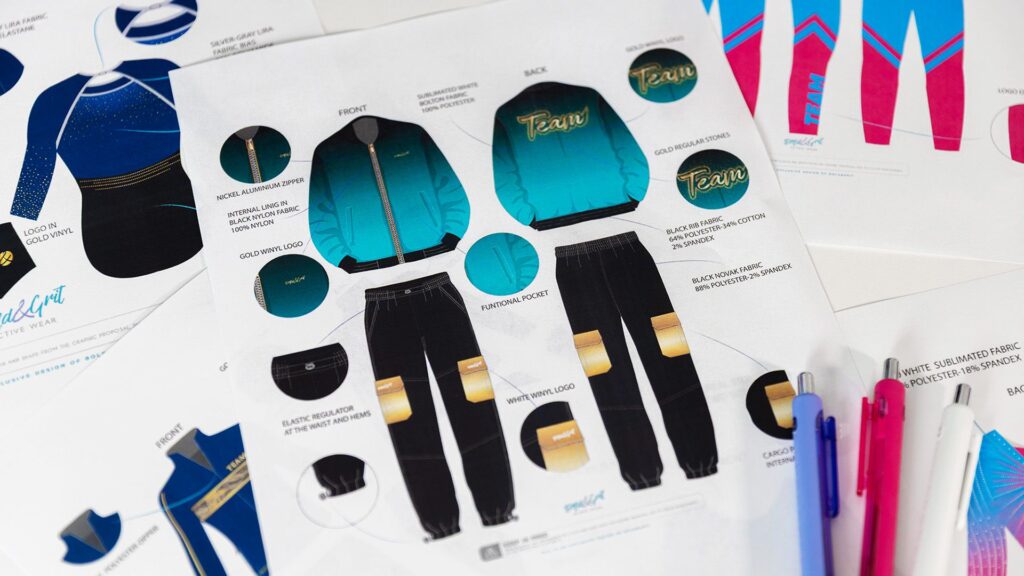
Team gear featuring custom uniforms — Bold&Grit Team blog post

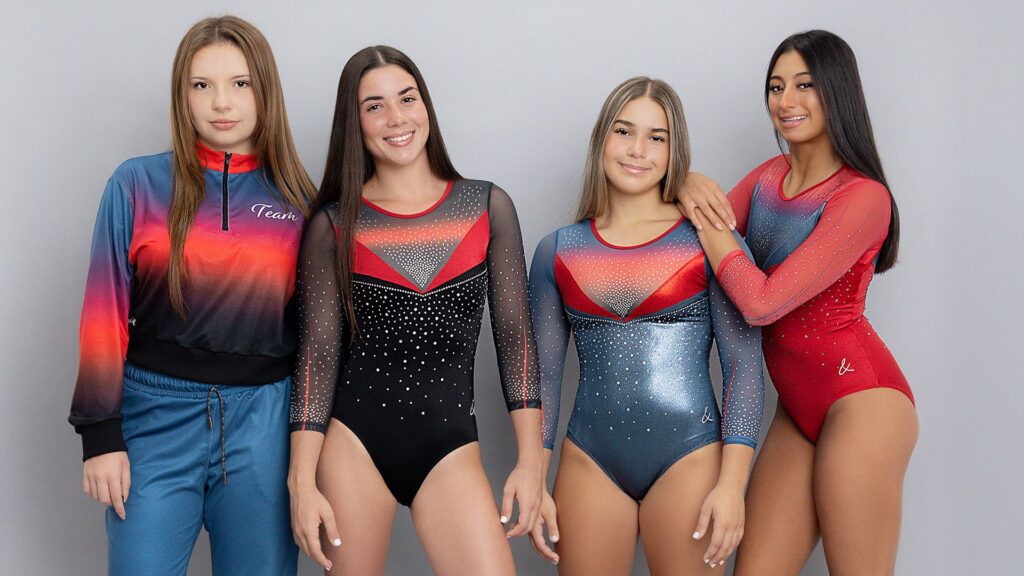
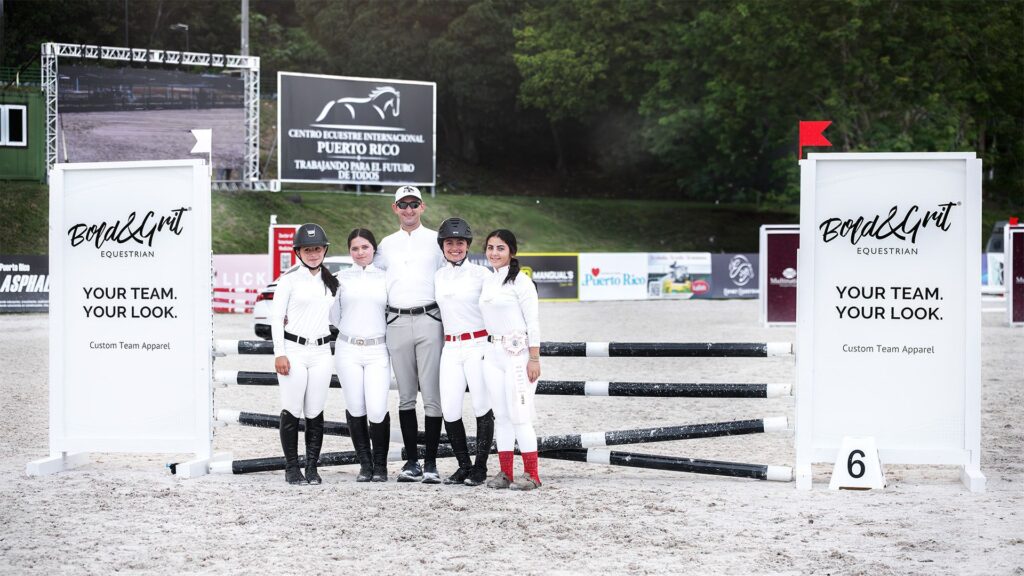
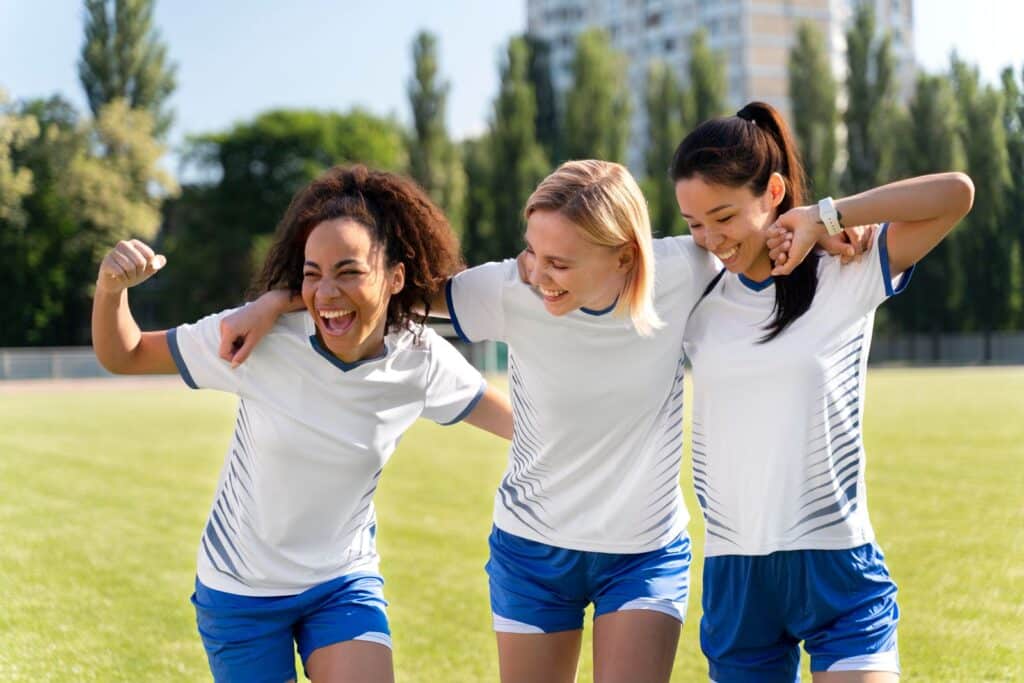
Team gear is more than just clothing. It’s a chapter in a larger story that your team tells every day. From uniforms and warm-ups to fanwear and accessories, every choice communicates identity, but it only works when it reflects the team’s values, behavior, and culture.

Team gear featuring custom uniforms — Bold&Grit Team blog post

Everything Correlates

Think of your team like a book. Every aspect contributes to the story:

  • How athletes behave after a win or a loss

  • How they treat their teammates on and off the field

  • The language they use, both with each other and with opponents

  • The decisions they make during pressure moments

  • The uniforms and gear they wear

Each piece of this puzzle reinforces the story you want to tell. If your team acts with respect, resilience, and pride, your gear becomes a symbol of that story. But if your actions don’t match your branding, even the coolest uniforms feel hollow.

Decide the Story You Want to Tell

Before designing gear or picking merchandise, ask yourself:

  • What values do we live by every day?

  • How do we want others, teammates, families, competitors, and fans, to see us?

  • What emotions do we want our gear to evoke?

Once you define your story, every design choice becomes meaningful. Colors, logos, fonts, patterns, and even the type of garment all serve as storytelling tools that reinforce your identity.

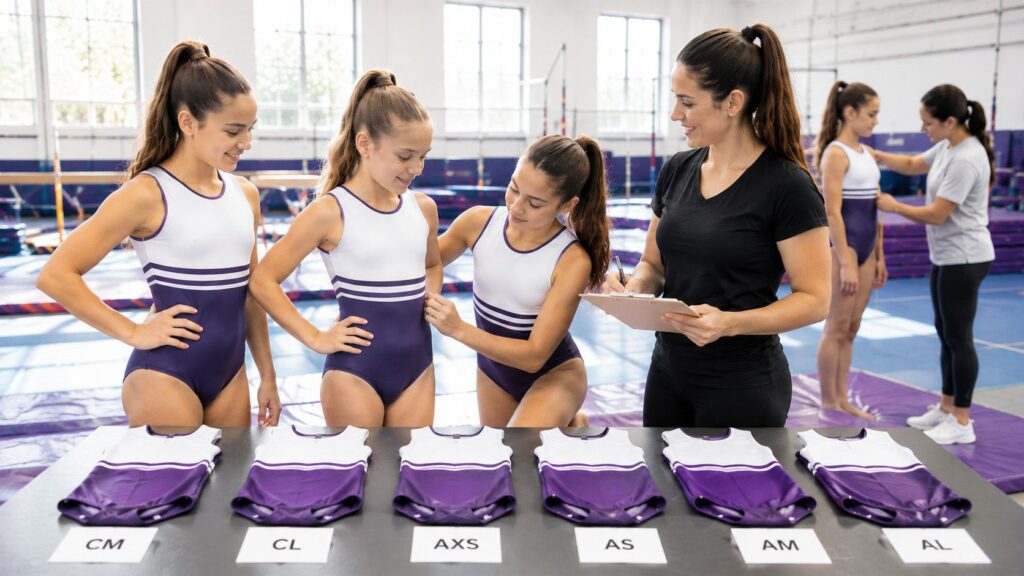
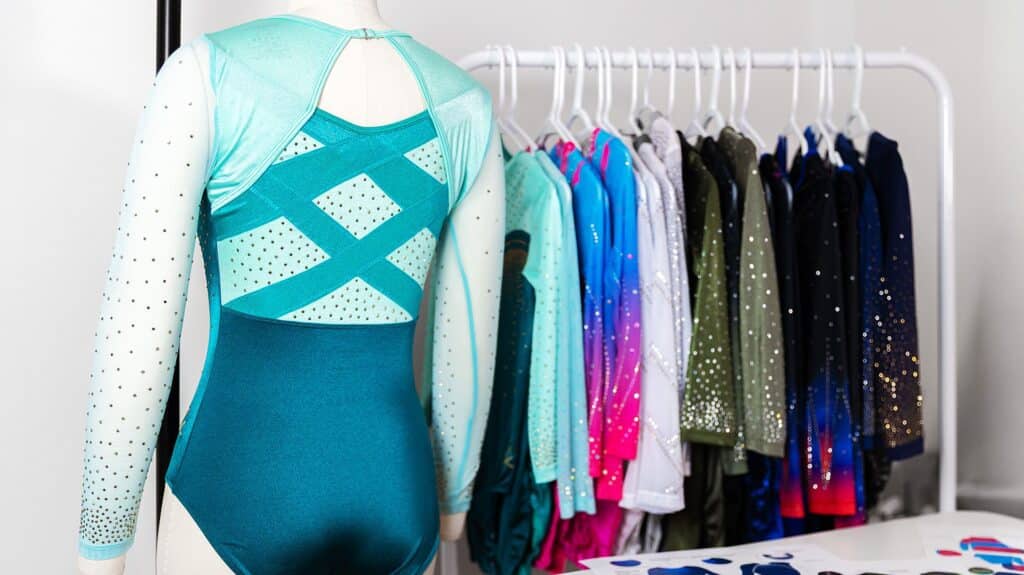
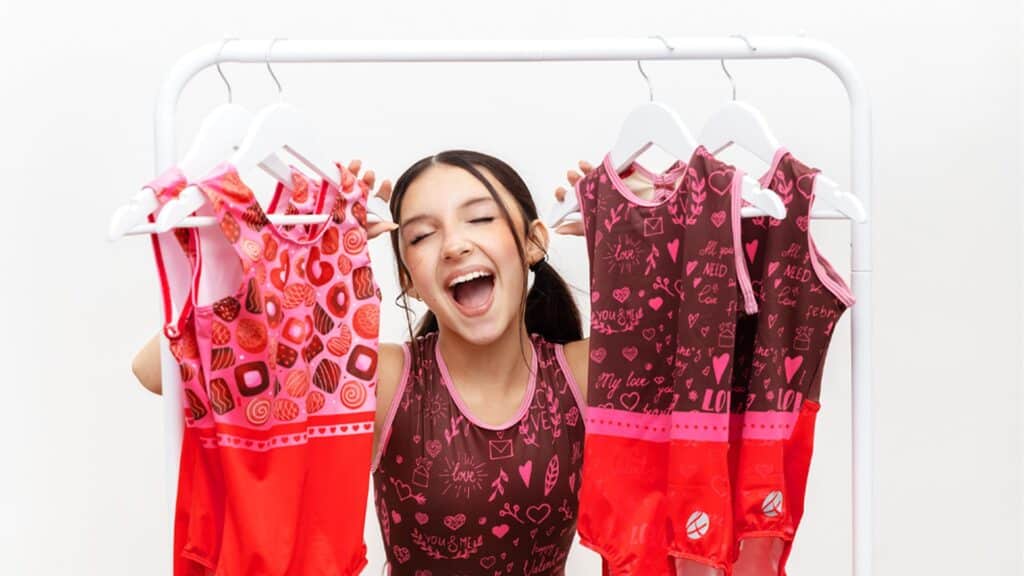
For gymnastics teams, custom team gymnastics leotards can become one of the clearest ways to express that story through color, movement, and design.

Gear as a Reflection of Culture

Gear is most powerful when it mirrors your team’s culture. For example:

  • A team known for grit and resilience might choose bold, structured designs with motivational phrases

  • A team emphasizing unity and fun might select coordinated warm-ups, playful patterns, or fanwear that involves families

  • Subtle details like a mascot motif, embroidery, or inspirational quotes show personality and reinforce shared values

When the visual story aligns with behavior and values, athletes feel pride every time they put on the uniform. Fans and families understand instantly what the team stands for.

Make It Lasting

Active wear represents values and identity that persist across seasons. Think of every uniform, hoodie, or accessory as a way to communicate your story consistently, while giving athletes and families something they’ll want to wear for years.

Everyday Opportunities to Tell Your Story

Your story isn’t only told in games. It’s told in practice, tournaments, travel, and interactions every day. Thoughtful gear reinforces:

  • Team pride and identity

  • Shared values and culture

  • Connection between athletes, coaches, and families

When your team’s behavior, values, and gear all tell the same story, it becomes powerful, authentic, and memorable. The question is not just what your uniforms look like, but what story do you want your team to tell?

When Should Your Gym Order Custom Team Leotards?

Custom Team Leotards by Bold&Grit — personalized gymnastics leotards for teams

At some point, every gym faces this question:

Should we order wholesale… or should we customize?

The answer isn’t one-size-fits-all.
It depends on your vision, your brand strategy, and how you want your athletes, and your families, to experience your gym.

Let’s break it down.

Custom Team Leotards by Bold&Grit — personalized gymnastics leotards for teams

Option 1: Wholesale. Simple, Fast, Strategic for Pro Shops

Some gyms choose to order leotards wholesale and stock them in their pro shops.

Why?

  • Because it’s easy.

  • Because it’s ready.

  • Because it works.

When you order wholesale:

  • You receive a wholesale discount from our retail website price

  • You get immediate access to proven designs

  • You can stock inventory for athletes to purchase directly

  • You simplify decision-making

This model works especially well for:

  • Recreational programs

  • Seasonal collections

  • Pro shop sales

It allows you to offer beautiful, high-quality leotards without going through the design process.

The trade-off?

You get what you see.

The designs are fixed. Details are fixed.

It’s efficient. It’s strategic. It’s plug-and-play.

And for many gyms, that’s exactly what they need.

Option 2: Custom. Your Vision, Your Identity

Other gyms take a different route.

They customize everything.

Their practice leos.
Their competition leos.
Even their merch for families and friends.

Because for them, it’s not just apparel.

It’s branding.

When you customize, we don’t start with a catalog.

We start with your story.

Your team colors.
Your values.
Your logo.
Your energy.

Custom allows you to:

  • Create a unique team identity

  • Position your gym at competitions

  • Elevate your brand presence

  • Offer exclusive pieces families can’t find anywhere else

  • Strengthen athlete pride and belonging

This is especially powerful for:

  • Competitive programs

  • Established gyms building recognition

  • Teams that want to stand out on the floor

  • Programs looking to elevate their brand positioning

Custom isn’t just about design.

It’s about identity.

For gyms ready to build a stronger team identity, our custom team gymnastics leotards process helps bring your colors, logo, and vision into one complete design.

So… Which One Is Right for You?

Ask yourself:

Are you looking for simplicity and margin in your pro shop?
Or are you building a strong visual brand for competition?
Or maybe both?

There’s no wrong answer.

When you choose wholesale, you get efficiency and savings advantage.

When you choose custom, we help bring your vision to life and position your gym exactly how you want to be seen.

Whichever path you choose, we’re here to guide you.

Because at the end of the day, it’s not just about leotards.

It’s about how your athletes feel wearing them,
and how your gym shows up in the world.

How to Build a Culture That Attracts Top Talent

Team culture and identity through custom apparel — Bold&Grit Team blog

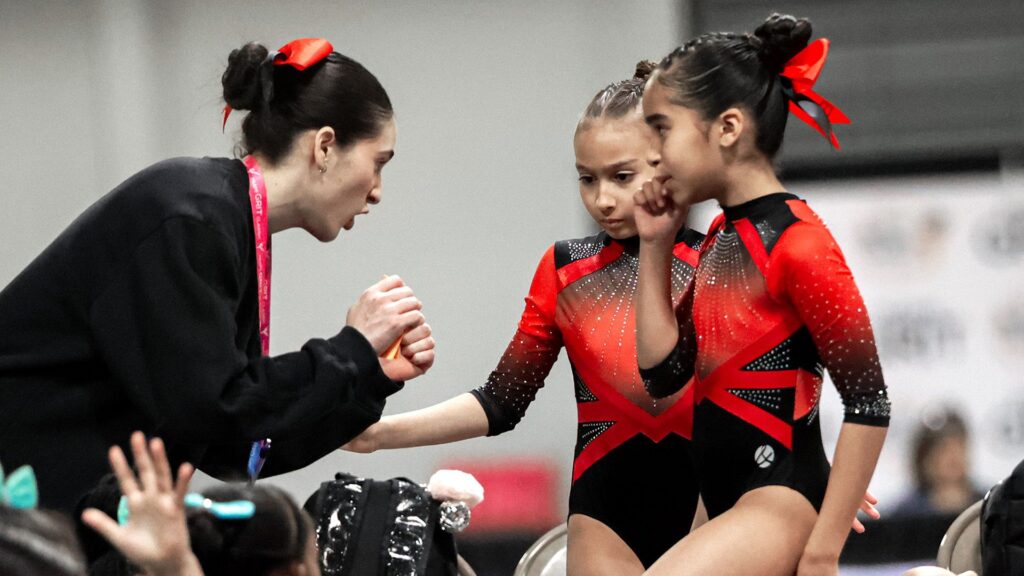
Athletes don’t just choose teams for wins or facilities. They choose teams where they feel seen, supported, and proud to belong. Culture is the thing that makes people want to stay, and tell others to join.

The good news? Culture isn’t some vague “vibe.” It’s built through small, consistent actions.

Team culture and identity through custom apparel — Bold&Grit Team blog

Start with Clear Standards

Instead of a long list of “don’ts,” focus on standards:

  • How do we treat teammates?

  • How do we show up on hard days?

  • What does effort look like here?

Say these things out loud. Post them in the locker room. Repeat them in practice. Be an example of how they are lived daily, in practice and in competition. Culture grows from language that’s used consistently.

Build Simple Rituals

Rituals don’t need to be big or dramatic. In fact, the best ones are easy to repeat:

  • A team huddle phrase that ends every practice

  • A weekly “grit shoutout” where athletes recognize each other

  • A pre-game routine everyone follows, no matter the score

These rituals give athletes something to belong to, and belonging is powerful.

Make Feedback Normal and Safe

Top talent wants to grow. That only happens when feedback is expected and respectful.

  • Correct effort, not identity

  • Praise progress, not just results

  • Make mistakes feel like part of the process, not a failure

When athletes know they won’t be embarrassed for trying, they try harder.

Celebrate the People, Not Just the Performers

Yes, winning matters. But culture thrives when:

  • Bench players feel just as valued

  • Injured athletes still have a role

  • Quiet leaders are recognized

When athletes see that who they are matters as much as how they perform, your team becomes a place they don’t want to leave.

Merch That Makes Money

Merch That Makes Money

When people hear “team merch,” they often think of one basic tee with a logo on it and hope it sells. But the truth is, merch that actually makes money is thoughtful, flexible, and emotional. It gives people a reason to buy, and a reason to wear it more than once.

The best part? You don’t have to overcomplicate it. Merch can be simple, cute, bold, or meaningful, as long as it feels intentional.

For gymnastics programs, the same idea applies when you design your team leotards: the look should feel intentional, connected to your brand, and exciting enough for athletes and families to remember.

Merch That Makes Money

Create Fanwear for Families

Athletes aren’t the only ones who want to rep the team. Parents, siblings, grandparents, and friends love showing support too, especially when the merch doesn’t feel like a uniform.

Fanwear works because it’s personal. Think:

  • Soft tees or hoodies parents can wear to games

  • Tote bags for busy sports families on the go

  • Sweatshirts or jackets that work outside of game day

When families feel included, they’re more likely to buy, and more likely to buy again.

Design Merch for Moments, Not Just Seasons

Special events are prime opportunities for meaningful merch. Tournament weekends, senior nights, rivalry games, or championship runs all create emotional moments people want to remember.

Event-based merch feels special because it marks a memory. A shirt or bag tied to a specific weekend becomes a keepsake, not just another item in a drawer.

Seasonal Merch Keeps Things Fresh

Seasonal drops give your program a chance to stay fun and relevant throughout the year.

  • Fall and winter items for colder weather

  • Holiday-inspired designs that feel festive, not forced

  • Spring and summer pieces that are light and wearable

Imagine a Valentine’s tote bag with hearts and a team message, or a cozy hoodie with a motivational quote for the winter grind. These pieces don’t need to scream “team merch” to be loved.

Simple or Cute, Both Can Sell

There’s no single “right” style. Some people love clean and minimal. Others want something playful or sentimental.

Creative Ways to Celebrate Small Wins Throughout the Season

Celebrate Small Wins

Waiting until the end of the season misses countless opportunities to build confidence.

Celebrate Effort and Growth

Recognize:

  • Improved attendance

  • Better communication

  • Positive attitude during tough games

These moments matter more than stats.

Celebrate Small Wins

Keep It Simple

Celebrations don’t need to be expensive:

  • Stickers or wristbands

  • Social media shoutouts

  • Handwritten notes

Small gestures feel personal.

Let Athletes Recognize Each Other

Peer recognition builds respect:

  • Weekly teammate shoutouts

  • Passing a “grit item” to someone new each week

These moments strengthen bonds.

Parent Engagement Strategies That Don’t Drive Coaches Crazy

Parent Engagement Strategies

Parents can be your biggest allies or your biggest stressors. The difference is communication.

Parent Engagement Strategies

Set Expectations Early

At the beginning of the season, clearly share:

  • How and when you communicate

  • What topics are appropriate for discussion

  • How playing time decisions are handled

When expectations are clear, frustration drops.

Use One Main Communication Channel

Choose one platform (email, app, or group message) and stick to it. Multiple channels create confusion and missed messages.

Share the “Why”

Parents are more understanding when they know your reasoning. You don’t need to justify every decision, but sharing philosophy builds trust.

Invite Questions, Not Confrontation

Encourage respectful conversations and scheduled check-ins. When parents feel heard, they’re far less likely to react emotionally.

How to Choose the Right Fabric for Custom Gymnastics Leotards

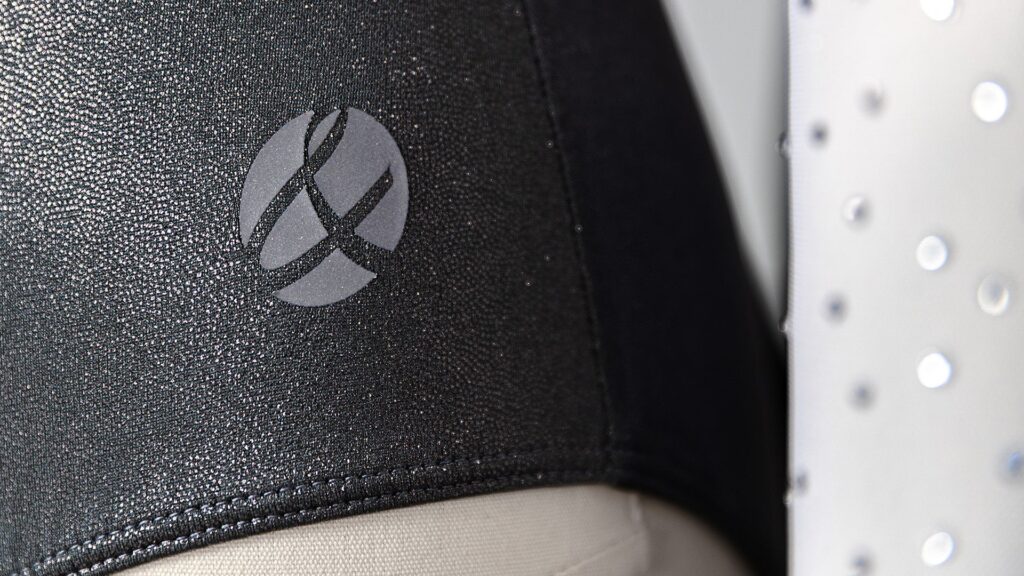
Selecting performance fabric for custom team apparel — Bold&Grit Team blog

Because the right fabric changes how an athlete feels, and how she performs.

When a gymnast walks onto the floor, we notice the sparkle.

But what really matters is what’s underneath the sparkle.

The fabric determines how the leotard stretches, how it holds color, how it survives training… and how it shines under competition lights.

And no, there isn’t one “best” fabric.

There’s the best fabric for the moment.

Let’s break it down.

Selecting performance fabric for custom team apparel — Bold&Grit Team blog

Training Leotards: Built to Work Hard

Training leotards go through everything. Sweat. Chalk. Friction. Constant washing. Repetition.

For this reason, we recommend three main bases, each with a slightly different personality.

Coral

If you’re looking for performance-driven technology, Coral is a strong option.

It includes more technical features for durability and resistance, making it a great choice for everyday use. It stretches well, recovers beautifully, and handles frequent washing like a champion.

The only trade-off?
Because of its base, sublimated colors may look slightly softer compared to other options.

Best for: Gyms that prioritize durability and technical performance.

970

This is where color steps forward.

970 delivers brighter, more vibrant sublimated colors while still offering great structure and stability. It feels a bit firmer, which many athletes love during intense practice.

If your team wants bold graphics that pop, even in training, this is a fantastic option.

Best for: Programs that want both durability and strong visual impact.

Bahia

Think of Bahia as balance.

It offers beautiful color clarity, good durability, and a comfortable stretch. It performs well in training environments while keeping colors defined and clean.

Best for: Teams looking for versatility and consistent performance.

Competition Leotards: Where Fabric Becomes Part of the Performance

Competition is different.

Here, the leotard is not just training gear. It’s part of the story. The entrance. The confidence.

And this is why we often recommend mixing fabrics to create dimension, light play, and contrast.

Yes, the most stunning competition leotards are rarely made from just one fabric.

Here’s how we think about it:

Baranoa

Baranoa is bold and powerful.

It offers bright, intense colors and a clean, technical look. It feels structured yet comfortable and creates a strong visual base for a competition design.

It’s perfect when you want color that commands attention.

Mystique

Mystique is drama.

It is extremely shiny, highly reflective, and instantly eye-catching. Under arena lights, it glows.

This fabric is ideal for panels, accents, or sections that need to stand out.

It’s high-impact. High-energy. Unforgettable.

Lira

Lira is shine, but elevated.

It has a luminous finish, softer and more subtle than Mystique. It feels smooth and premium, with a refined glow rather than a bold flash.

It’s elegant. Sophisticated. Beautiful in motion.

Why We Recommend Mixing Fabrics for Competition

Here’s the secret:

The magic happens when you combine them.

Baranoa for strong color foundations.
Mystique for dramatic shine.
Lira for soft luminosity and fluid elegance.

Layering these fabrics creates contrast. Depth. Movement. Light reflection from different angles.

It transforms a leotard into a performance piece.

And that’s what competition is about.

So, What Should You Choose?

For training:
Choose durability, comfort, and the color intensity you prefer.

For competition:
Think beyond one fabric. Think about how light hits the athlete. Think about how she wants to feel stepping onto the floor.

Powerful?
Elegant?
Bold?
Refined?

The right fabric doesn’t just support movement.

It supports confidence.

And confidence wins routines.

Once you know which fabric fits your team’s training or competition goals, the next step is to design your team leotards with colors, details, and finishes that match your gym’s identity.

How to Design Team Gear That Athletes Actually Want to Wear

Team gear featuring custom uniforms — Bold&Grit Team blog post

Team gear is more than just something to throw on for practice or game day. When it’s done right, it becomes part of a team’s identity. It’s the hoodie they grab after school. The tee they wear to the gym. The piece they keep years later because it reminds them of who they were on that team.

Designing gear athletes actually want to wear takes intention — and a really good balance between style, meaning, and longevity.

Team gear featuring custom uniforms — Bold&Grit Team blog post

Start with the People, Not the Product

The biggest mistake teams make is designing gear in a vacuum. Athletes, especially teens, care deeply about how they look and how their clothes make them feel. If it feels outdated, overly busy, or “forced,” they’ll wear it once, if that.

This is where working with an experienced design team makes all the difference. A strong design partner knows how to:

  • Translate a team’s personality into visuals

  • Understand what teens are drawn to right now

  • Avoid trends that will feel cringey a year from now

The goal isn’t to chase every trend, it’s to create something current and timeless.

Trendy Enough, But Built to Last

There’s a sweet spot when it comes to design. Too trendy, and the gear ages fast. Not trendy enough, and it feels stale from day one.

Great team gear uses:

  • Modern fonts without gimmicks

  • Clean layouts that feel intentional

  • Subtle design details instead of loud graphics

This approach keeps the gear relevant for multiple seasons, which matters for programs that want consistency year after year.

Represent the Team, Not Just the Logo

A logo alone doesn’t tell a story. The best gear reflects what the team actually stands for.
Ask questions like:

  • Are we known for grit? Unity? Discipline? Community?

  • What words describe us when things get hard?

  • What do we want athletes to feel when they wear this?

Design elements like typography, spacing, and even where the logo is placed can quietly reinforce those values. When athletes recognize themselves in the design, pride follows naturally.

Color Matters More Than You Think

Team colors should always be the foundation, but that doesn’t mean every piece has to be loud or overdone. Smart design uses:

  • Primary colors as anchors

  • Neutrals to make pieces wearable off the field

  • Accent colors sparingly for balance

This allows athletes to wear team gear beyond practice, which is exactly what you want.

Comfort Is Non-Negotiable

Even the best design fails if the gear isn’t comfortable. Teens will choose softness and fit every time.
Focus on:

  • Quality fabrics

  • Modern fits (not boxy, not oversized unless intentional)

  • Pieces that layer well

When gear feels good, it gets worn, simple as that.

Design Gear That Feels Earned

The most meaningful gear doesn’t feel like a generic uniform. It feels like something you earned by being part of the team. Limited runs, subtle details, and thoughtful design choices all contribute to that feeling.

When athletes are proud to wear their gear, on and off the field, you know you got it right.

For gymnastics programs, the same approach applies when you design custom leotards for your team: the final piece should feel meaningful, wearable, and connected to the athletes who represent your gym.

At the end of the day, great team gear isn’t about being flashy. It’s about creating something athletes want to hold onto long after the season ends.

How to Run Productive Weekly Team Meetings That Everyone Loves

Team meeting with athletes and coach — Bold&Grit Team blog

If your team meetings feel boring or tense, they’re probably trying to do too much.

Team meeting with athletes and coach — Bold&Grit Team blog

Keep Them Short and Predictable

Aim for 15–30 minutes. Use a simple structure:

  1. Quick win from the week

  2. One focus topic

  3. What’s coming next

  4. Team shoutouts

Athletes like knowing what to expect.

Make It Interactive

No one wants a lecture.

  • Ask questions

  • Use quick polls or hand raises

  • Rotate who leads parts of the meeting

When athletes participate, they listen.

Add One Small Connection Moment

This could be:

  • A fun icebreaker

  • A question unrelated to sports

  • A light challenge or team goal

Connection builds trust, and trust builds performance.

End on Energy

Always finish meetings with something positive:

  • A reminder of progress

  • A shared goal

  • A team chant or phrase

People remember how things end.

Conflict Resolution Strategies Every Coach Should Know

Conflict isn’t a sign that something is wrong. It’s a sign that people care. The key is knowing how to deal with it before it poisons your culture.

Address Issues Early

The longer conflict sits, the bigger it becomes. If something feels off:

  • Don’t ignore it

  • Don’t vent to other coaches

  • Don’t wait until it explodes

Have the conversation early, calmly, and privately.

Separate Feelings from Facts

When emotions are high, slow things down:

  • Ask each person to explain what they’re experiencing

  • Repeat back what you hear (this alone can defuse tension)

  • Focus on behavior and impact, not intent

Most conflicts soften once people feel heard.

Parent-Coach Conflicts

Clear expectations prevent most parent issues:

  • Share communication guidelines at the start of the season

  • Set boundaries for game-day conversations

  • Encourage scheduled check-ins instead of sideline debates

When issues arise, stick to facts, remain calm, and remember, parents usually want what they think is best for their child.

Model What You Want to See

Athletes watch how coaches handle stress. When you:

  • Stay respectful

  • Own mistakes

  • Apologize when needed

You teach conflict resolution without saying a word.